
 BOOK
 中文

 Tender Hall
 Resource Center
News
 News
 source:TIANS Group
 date:2026-10-24
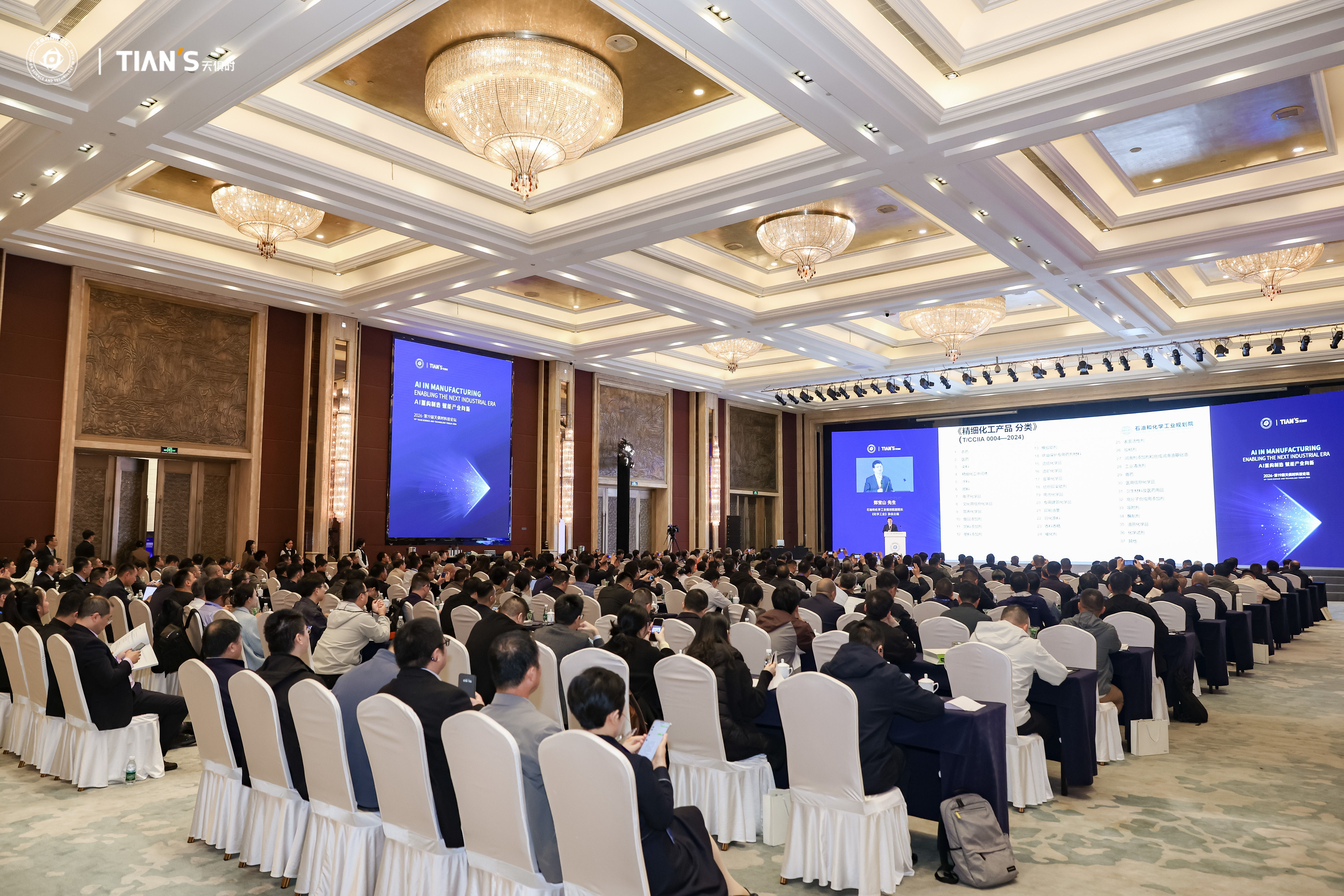
On October 22–23, the 19th TIANS SCIENCE AND TECHNOLOGY FORUM 2026 (hereinafter referred to as “the Forum”), jointly hosted by the TIANS SCIENCE AND TECHNOLOGY FORUM Organizing Committee and TIANS Group, grandly opened at the Shijiazhuang Zhongmao Haiyue Hotel. Under the theme “AI Reshaping Manufacturing, Empowering Industries Toward Renewal,” the Forum brought together more than 300 experts, scholars, and industry leaders from top research institutes, universities, and leading enterprises at home and abroad to discuss the renewal of industries.
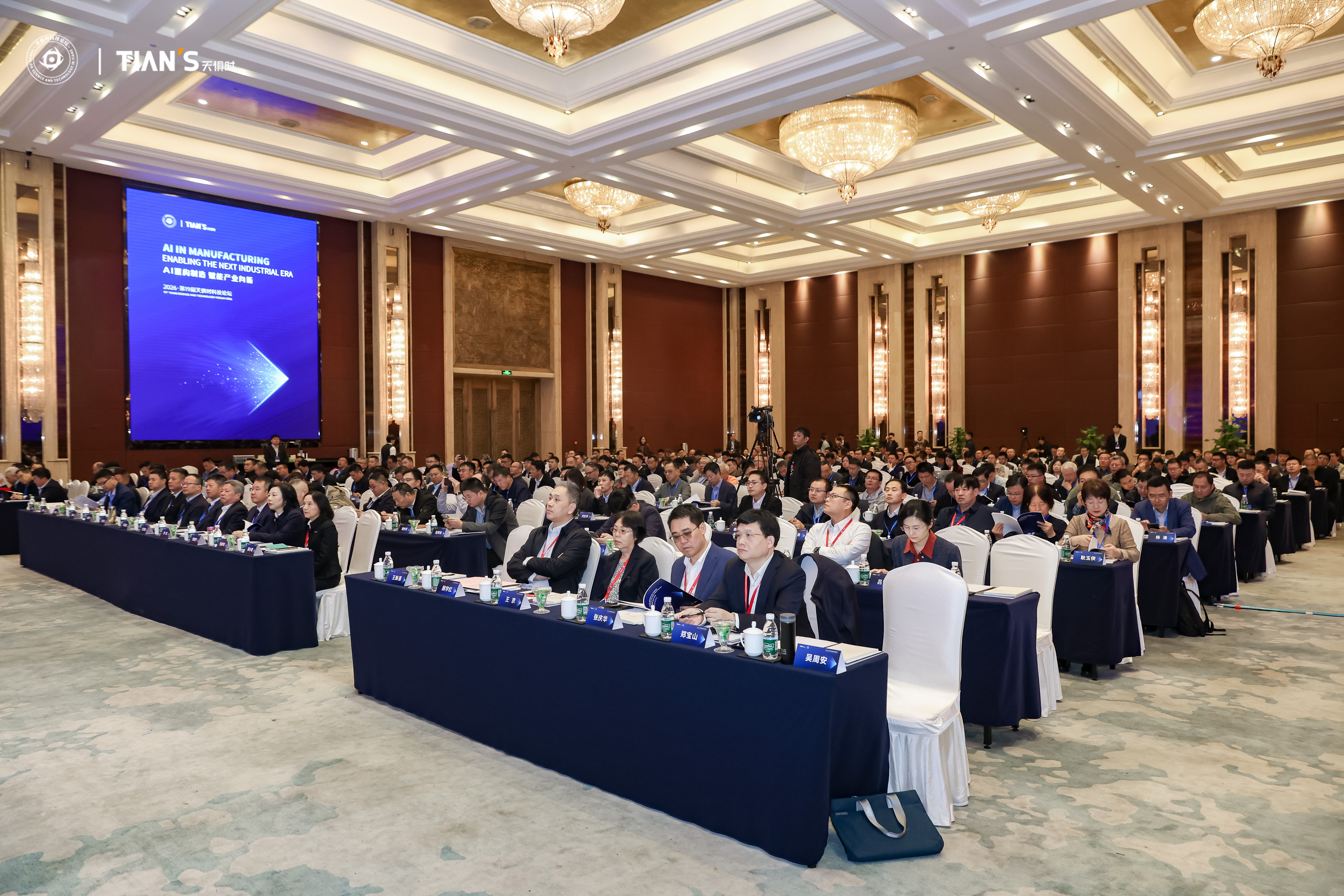
Photo | Scene of the 19th TIANS SCIENCE AND TECHNOLOGY FORUM 2026
The main forum will be co-hosted by Mr. Wu Zhou'an, Vice Chairman of the TIANS Technology Forum Organizing Committee and Chief Engineer of the China Fluorine & Silicone Industry Association, together with Dr. Xia Jianye, Vice Chairman of the TIANS Technology Forum Organizing Committee, Researcher and doctoral supervisor at the Tianjin Institute of Industrial Biotechnology, Chinese Academy of Sciences.
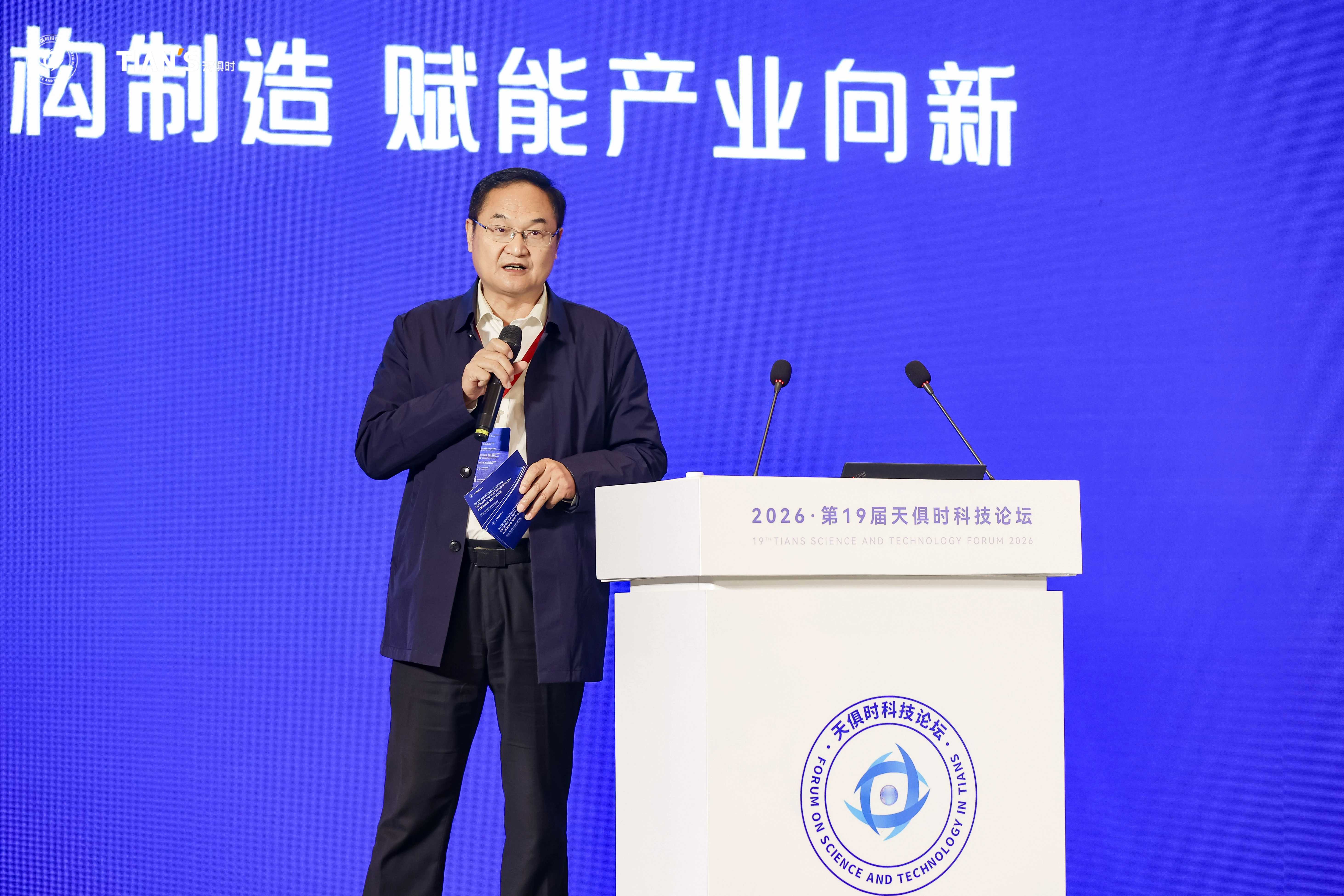
Photo | Mr. Wu Zhou'an hosting the forum
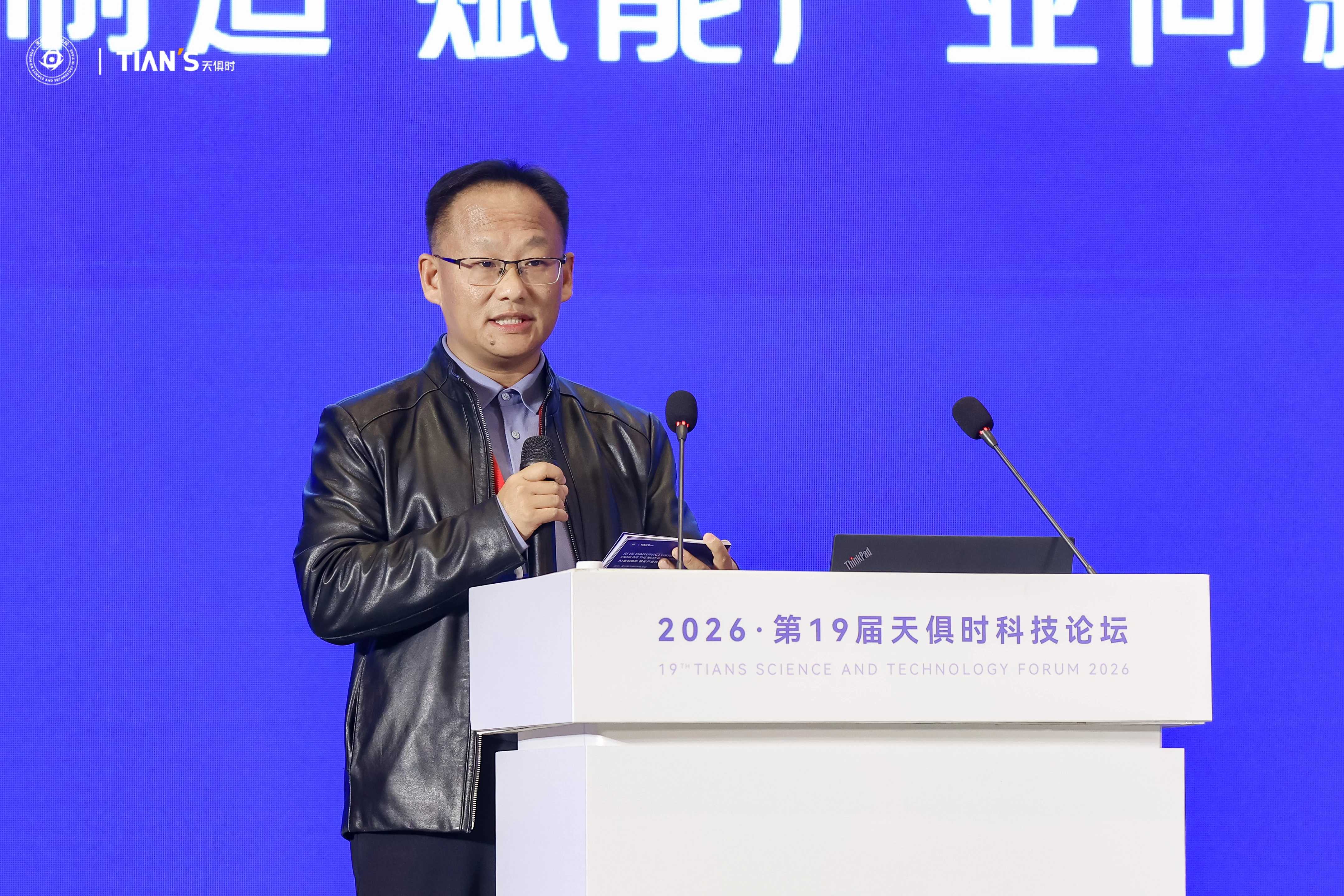
Photo | Dr. Xia Jianye hosting the forum
A Smart Start to a New Journey: Answering the Call of the Era
Mr. Wang Xinxi, Vice Chairman of the TIANS SCIENCE AND TECHNOLOGY FORUM Organizing Committee and Chief Scientist for Electronic Materials at TIANS Group, delivered the welcome address. He noted that the market logic in fields such as fine chemicals, synthetic biology, and new materials is undergoing profound change: the market no longer pays for “technological concepts” but only recognizes “delivered results,” and the development logic is shifting from scale expansion to differentiation, greening, and digital-intelligent transformation. Facing the reshaping of industry paradigms, it is necessary to deeply connect the innovation chain with the industrial chain and promote coordination across all links. Over the past nineteen years, the TIANS SCIENCE AND TECHNOLOGY FORUM has remained front-line oriented and industry-serving, committed to building an exchange platform for the industry to tackle pain points and to drive the landing of technological achievements.
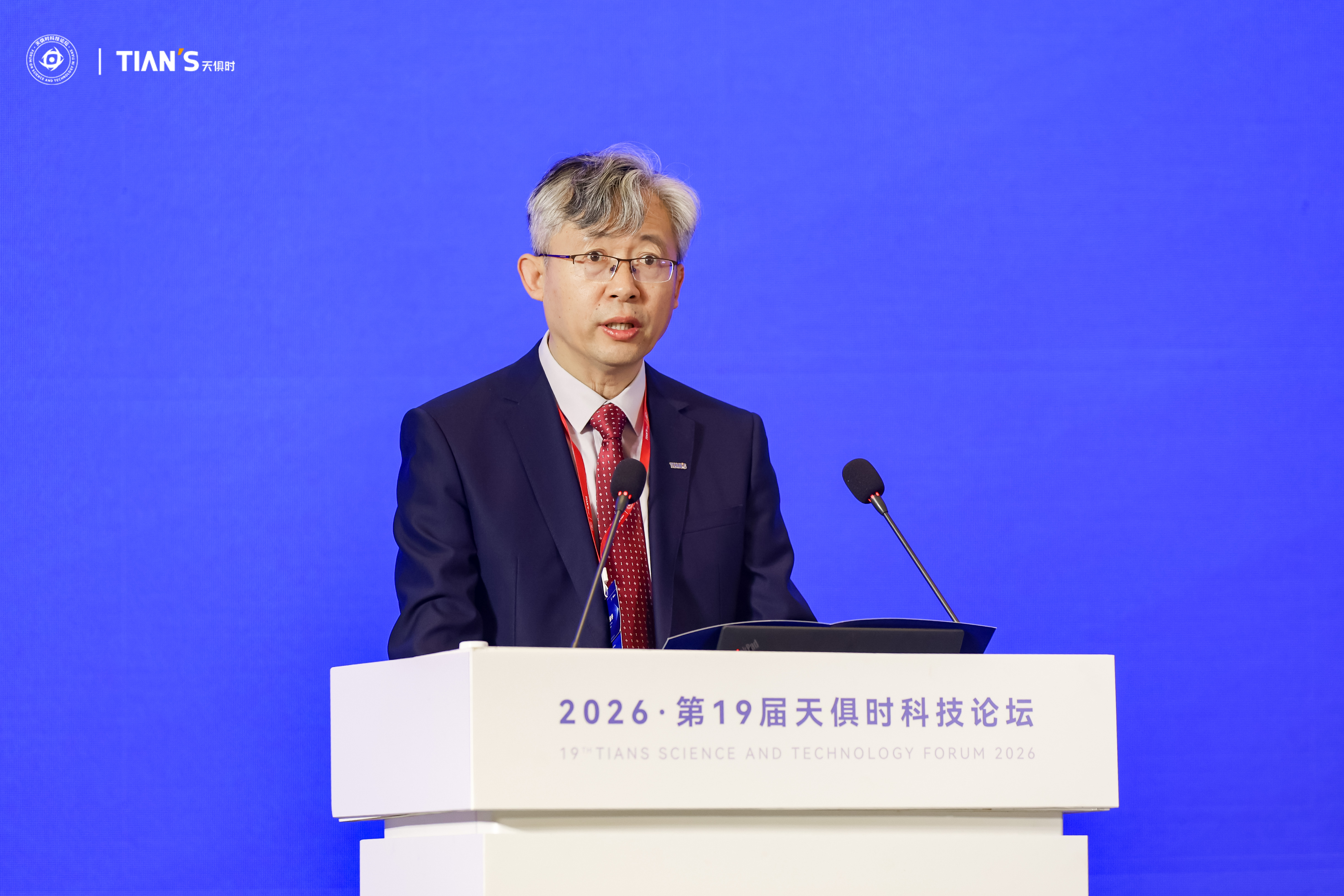
Photo | Mr. Wang Xinxi delivering the welcome address
Professor Gu Xuehong, Vice Chairman of the TIANS SCIENCE AND TECHNOLOGY FORUM Organizing Committee and Vice President of Nanjing Tech University, delivered a speech noting that a “valley of death” lies between research and industry: no matter how cutting-edge a scientific idea is, if it cannot leave the laboratory or cross the hurdle of engineering scale-up, it remains nothing but scenery on paper. Drawing on Nanjing Tech University’s long-term cooperation with TIANS in areas such as biocatalysis, he expressed the hope of joining all parties to deepen industry-university-research collaborative innovation, closely aligning universities’ research strengths with industrial capabilities, and turning more laboratory possibilities into realities on the production line.
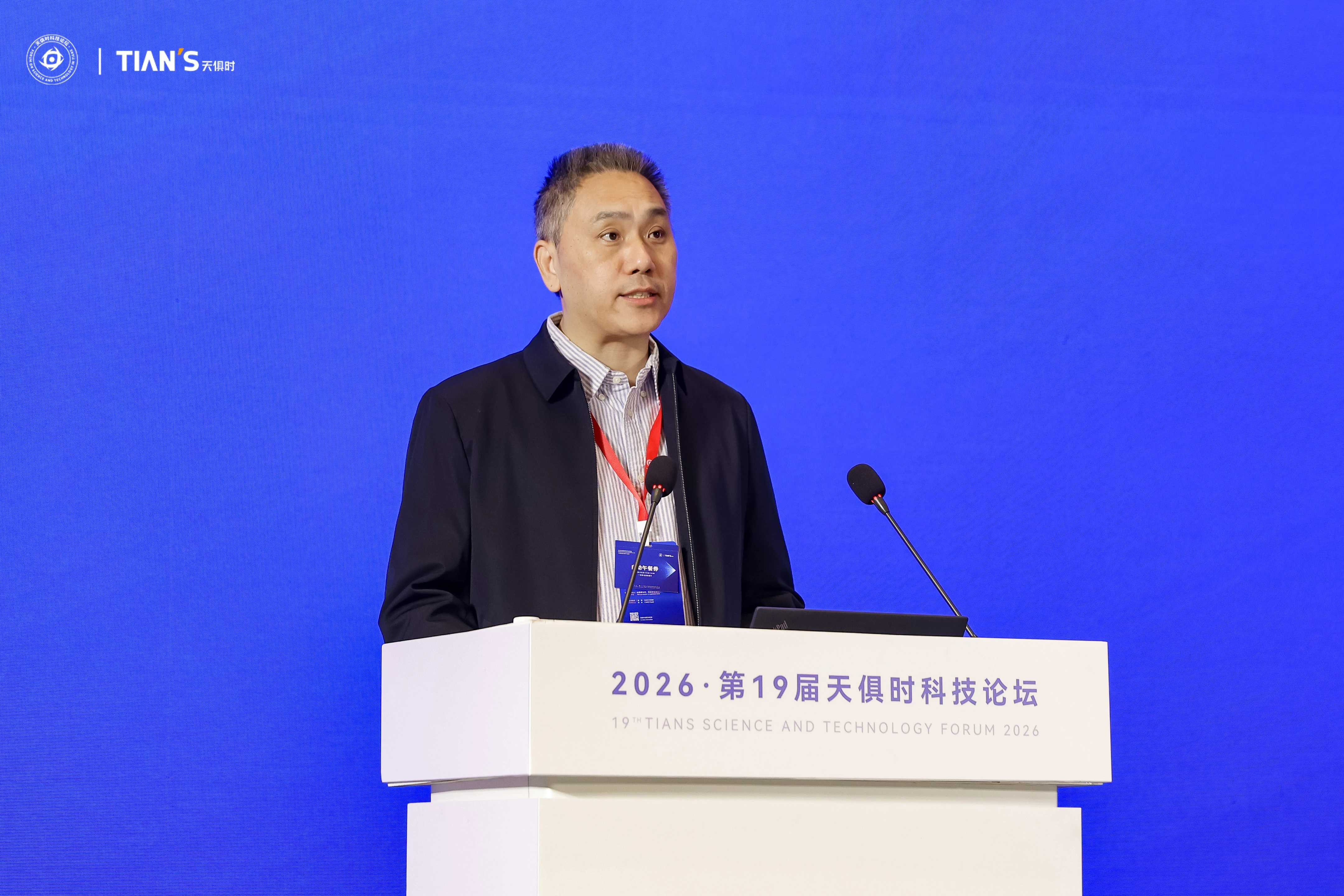
Photo | Professor Gu Xuehong delivering his speech
Multidimensional Insights, Stirring the Depth of the Industry
Mr. Zheng Baoshan, Vice President of the Petroleum and Chemical Industry Planning Institute, delivered a keynote speech titled “Promoting Fine Chemical Innovation, Taking the Path of a Petrochemical Power.” He pointed out that fine chemicals represent the commanding heights of the industry; China’s comprehensive supply capacity already ranks first in the world, yet shortcomings such as insufficient innovation capacity, gaps in high-end products, and many but not strong enterprises remain prominent. He emphasized that the entire industry should advance in coordination through four directions—“filling gaps, improving quality, customized services, and industrial supporting”—and accelerate the extension of traditional industries’ value chains and breakthroughs in key products. At the same time, it is necessary to strengthen safety and green environmental protection through technological upgrading, deepen the innovation system integrating industry, university, research, and application, accelerate breakthroughs in core technological bottlenecks, and comprehensively drive China’s transition from a large fine-chemical country to a petrochemical power.
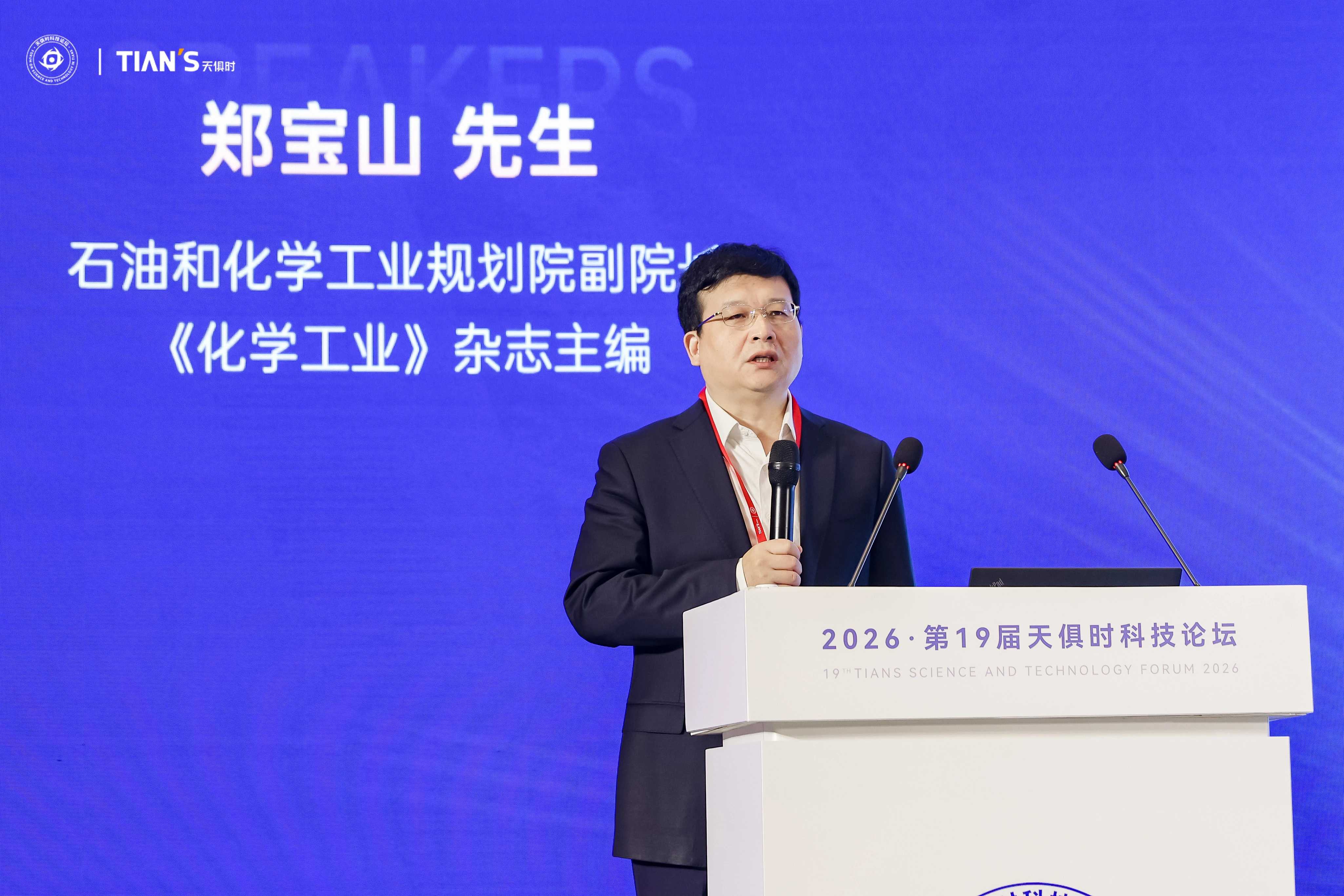
Photo | Mr. Zheng Baoshan delivering the keynote speech “Promoting Fine Chemical Innovation, Taking the Path of a Petrochemical Power”
Professor Lü Xueqin, Researcher and Doctoral Supervisor at Jiangnan University, delivered a keynote speech titled “Food and Biomanufacturing: Exploration and Reflections on Industrialization Pathways.” She pointed out that the food industry is a pillar industry yet bears fourfold pressures from resources, population, climate, and health; facing the key challenges of the food industry in ecological environment, climate change, and public health, industrial transformation must rely on the deep integration of Biotechnology (BT), Information Technology (IT), and Food Technology (FT). Food biomanufacturing needs to build on underlying technologies such as synthetic biology and artificial intelligence, and through scientific product selection and systematic metabolic engineering strategies, continuously enhance the capability to translate laboratory achievements into industrial-scale mass production.
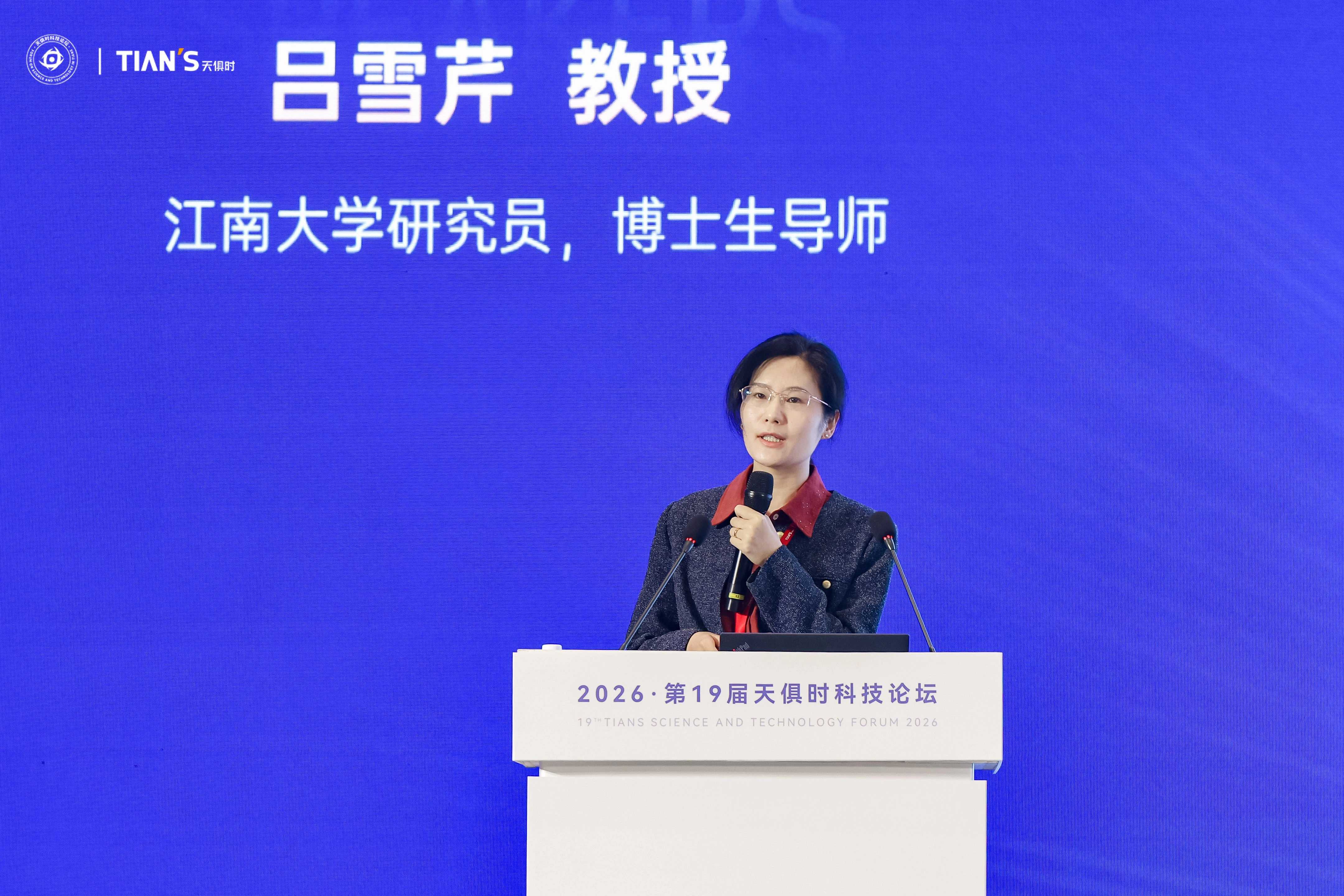
Photo | Professor Lü Xueqin delivering the keynote speech “Food and Biomanufacturing: Exploration and Reflections on Industrialization Pathways”
Dr. Su Xiaoli, Vice Chairman of the TIANS SCIENCE AND TECHNOLOGY FORUM Organizing Committee and Chief Scientist for Fluorochemicals at TIANS Group, delivered a keynote speech titled “Insights and Exploration on High-Quality Development of the Fluorochemical Industry.” She pointed out that although the fluorochemical industry is a small sector, it is a key support for strategic fields such as new energy, semiconductors, and national defense, and is known as a “golden industry”; although China’s fluorochemical scale ranks first globally, it is “large but not strong,” and high-end fields remain constrained by others. Facing the new situation, enterprises must adopt a full-life-cycle perspective to transform resources, processes, technologies, and demands into actionable systematic capabilities. In the future, competition in the fluorochemical industry is shifting from “single-point breakthroughs” to a contest of “systematic capabilities”; only through industry-university-research collaboration and full-life-cycle management can we solidify the foundation of national strategic resource security and the autonomous controllability of high-end manufacturing.
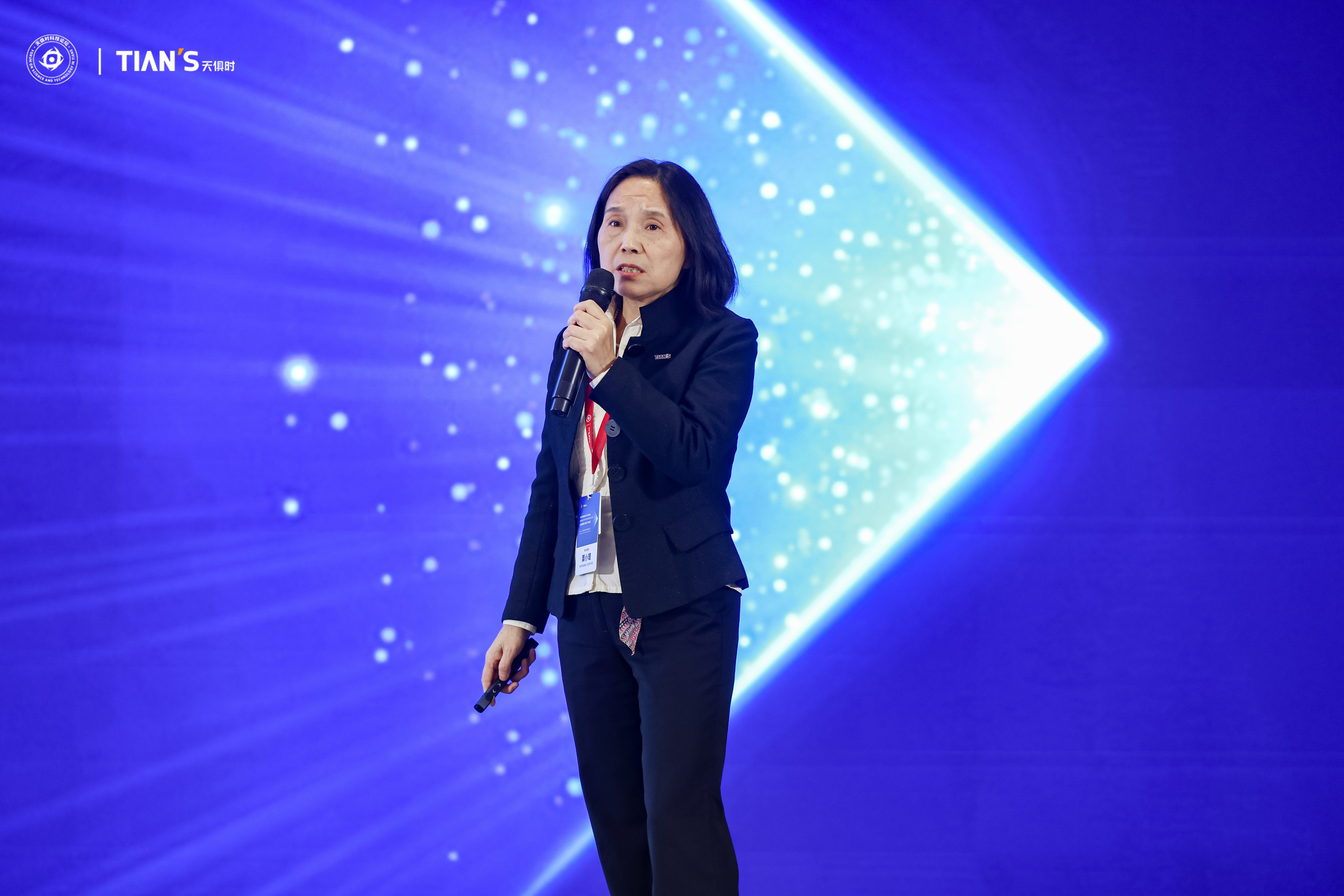
Photo | Dr. Su Xiaoli delivering the keynote speech “Insights and Exploration on High-Quality Development of the Fluorochemical Industry”
Professor Zhang Qinghua of the College of Chemical and Biological Engineering at Zhejiang University delivered a keynote speech titled “Design, Synthesis, and Performance of Organic-Inorganic Composite Solid Electrolytes.” He pointed out that solid-state batteries are the long-term development direction of lithium batteries, and the explosive growth of new energy vehicles places higher demands on battery safety and energy density; organic electrolytes offer flexibility but low conductivity, while inorganic electrolytes have high conductivity but are difficult to process, so the organic-inorganic composite of the two best fits practical application needs. Centering on molecular design, pore-channel regulation, and interface modification, he strives to overcome core challenges such as ion transport and interface contact, steadily advancing the pilot-scale scale-up of sulfide electrolytes, and comprehensively paving the landing path for the industrialization of solid-state batteries.
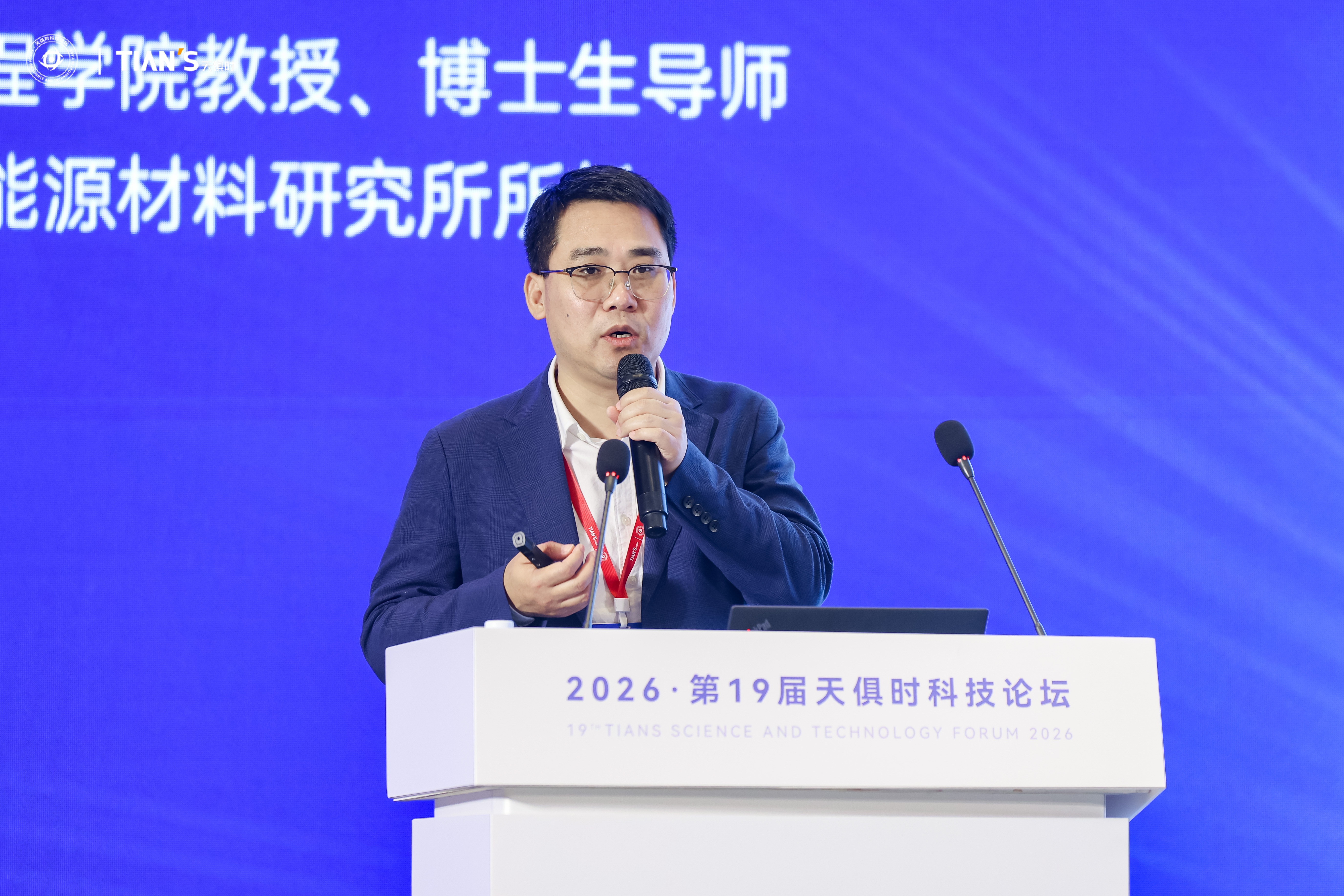
Photo | Professor Zhang Qinghua delivering the keynote speech “Design, Synthesis, and Performance of Organic-Inorganic Composite Solid Electrolytes”
Mr. Jason Chou, CEO of Taiwan Youping Electronic Materials Co., Ltd., delivered a keynote speech titled “Breaking Out of the Rat Race: Practical Strategies for Electronic Chemicals Enterprises.” Jason Chou pointed out that the rapid iteration of chips and end products gives rise to new material opportunities, and enterprises must sense them early and move ahead in layout. To break out of homogeneous involution, he offered a four-step method: keep projects aligned with the core business, avoid blindly spreading funds, cultivate talent internally while leveraging externally, and in pacing, “test the waters with trade first, then build plants for manufacturing”; at the same time, join hands with customers and equipment vendors for collaborative R&D, using materials innovation to crack the hard nuts of yield and precision.
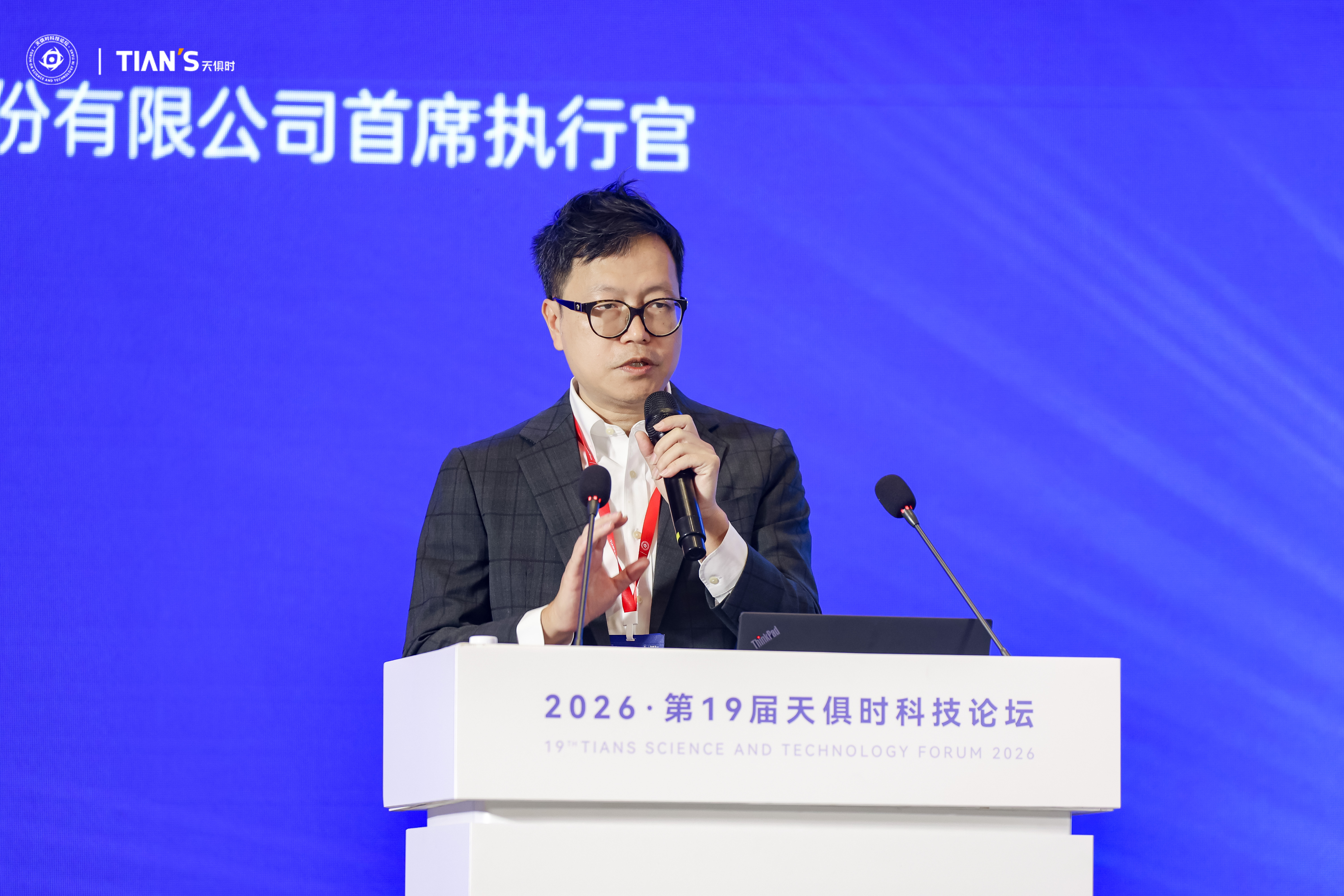
Photo | Mr. Jason Chou delivering the keynote speech “Breaking Out of the Rat Race: Practical Strategies for Electronic Chemicals Enterprises”
Dr. Liu Jianming, Researcher at the Center for Synthetic Biology at Westlake University, delivered a keynote speech titled “AI Empowers CO₂-Based Biomanufacturing.” He stated that biomanufacturing has become a must-contend battlefield for the dual-carbon strategy, yet carbon fixation faces the bottlenecks of high energy consumption, long pathways, and high cost; he advocates using AI to connect the “chemical-biological” route: first use electrocatalysis to convert CO₂ into C1 feedstocks such as methanol and ethanol, then use protein large language models to design efficient enzymes and cell factories, extending the carbon chain into bulk chemicals such as diols and amino acids, and replacing expensive coenzymes with cheap DTT to crack the thermodynamic bottleneck.
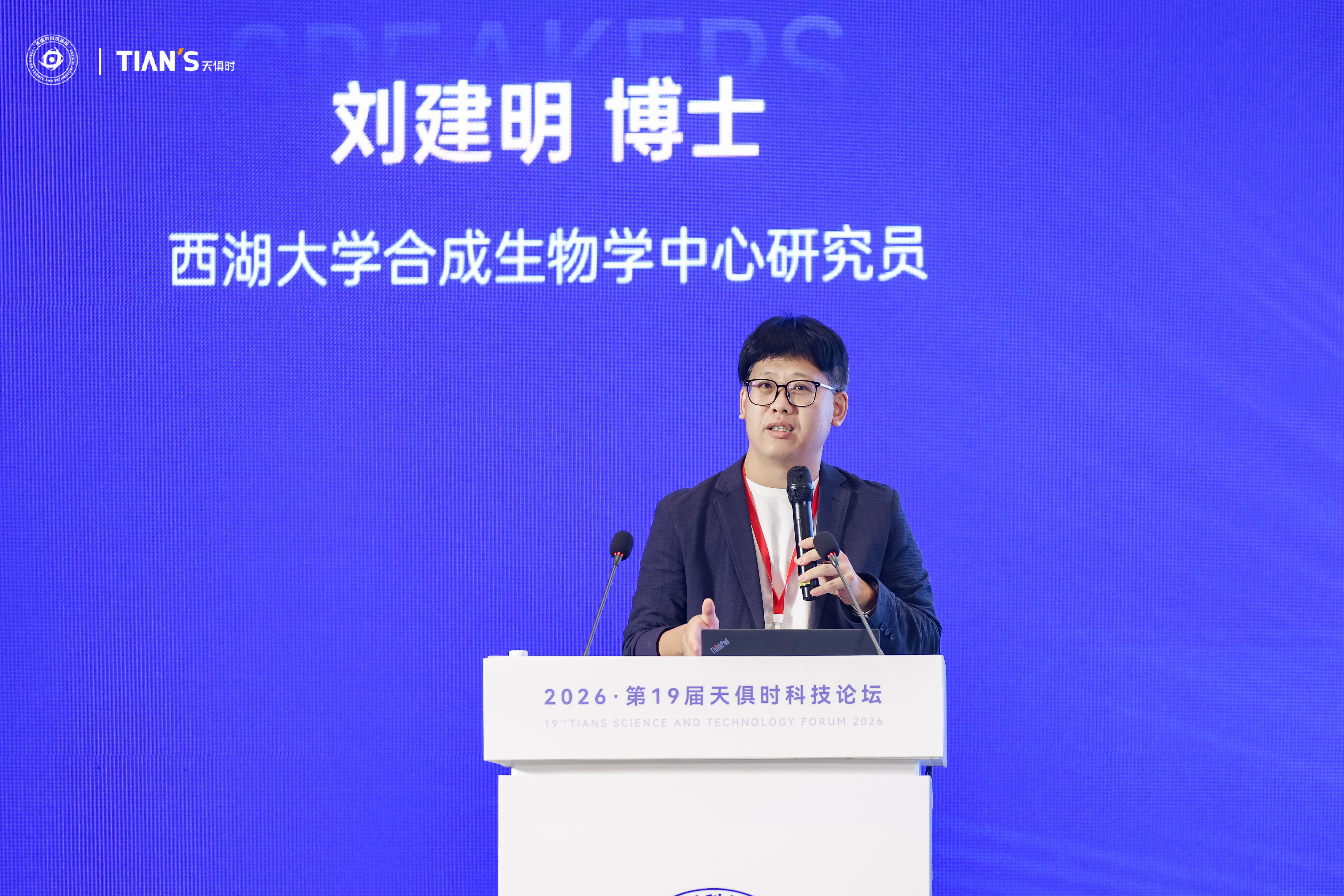
Photo | Dr. Liu Jianming delivering the keynote speech “AI Empowers CO₂-Based Biomanufacturing”
Collision of Ideas, Forging the Consensus of the Era
In the industry-university-research dialogue session, Dr. Liu Jianming, Professor Gu Xuehong, Mr. Jason Chou, Mr. Zhan Shihuai (Manager of the Public Affairs Department at Vedan International Co., Ltd.), Mr. Sun Funan (Deputy Director of the National Technical Committee for Gas Standardization), Mr. Lou Yuejun (General Manager of the Synthetic Biology Business Unit of TIANS Group), and other top scholars and industry leaders shared the stage for a clash of views.
The guests engaged in multidimensional and in-depth forward-looking discussions around frontier topics such as “the underlying logic of AI reshaping biomanufacturing, the breakthrough path for Chinese fine-chemical and biomanufacturing enterprises going global, AI intelligent modeling of membrane separation technology, the high-end standards and purification breakthroughs for electronic specialty gases toward globalization, intelligent algorithm control of the entire fermentation process, and differentiated product selection for semiconductor materials in red-ocean competition.” From molecular design in the laboratory to engineering compliance at transnational bases, from algorithm iteration to industrial landing, this pinnacle dialogue of blended wisdom reached one climax after another, contributing highly forward-looking and actionable insights for the entire industry to break the “involution” impasse and build new quality productive forces.
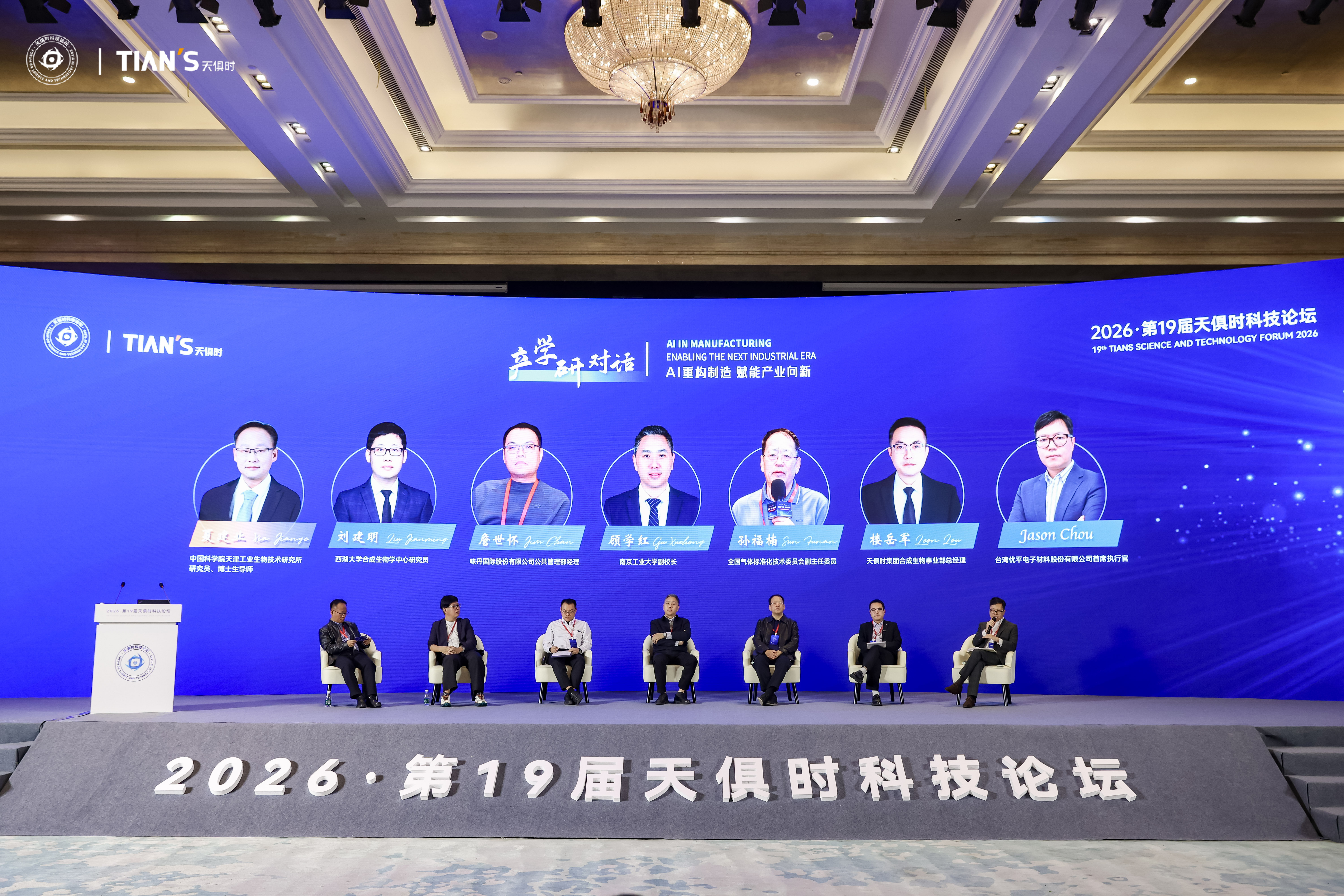
Photo | Industry-university-research dialogue session (from left to right: Xia Jianye, Liu Jianming, Zhan Shihuai, Gu Xuehong, Sun Funan, Lou Yuejun, Jason Chou)
Global Vision, Charting a New Chapter of Going Global
Professor Zhu Min, internationally renowned economist and former Deputy Managing Director of the International Monetary Fund (IMF), took the stage as the finale, delivering a keynote speech titled “The Changing Global Economic Landscape and China’s New Globalization.” Zhu Min pointed out that the underlying logic of the global economy is changing—shifting from “efficiency first” to “security first,” from “cost first” to “stability first,” and from “unified markets” to “multi-polar markets.”
Facing a once-in-a-century great transformation, China has launched a deep structural reconstruction through the comprehensive implementation of the “AI+” strategy, the building of a unified national market, the advancement of carbon neutrality, and the strengthening of high-end manufacturing. Regarding the widely watched wave of Chinese enterprises “going global,” Zhu Min, drawing on frontier data, pointed out that Chinese enterprises have moved from early single-product exports to a new stage of globalization centered on “global resource integration, multi-node capacity layout, digital operations, and green-low-carbon coordination.” He emphasized that the core competitiveness of this new round of going global is no longer simply a contest of cost and price, but has comprehensively shifted to a comprehensive contest of “geopolitical management capability, compliance governance systems, and industrial chain resilience,” charting a strategic path for Chinese enterprises to forge ahead amid the reshaping of the global value chain.
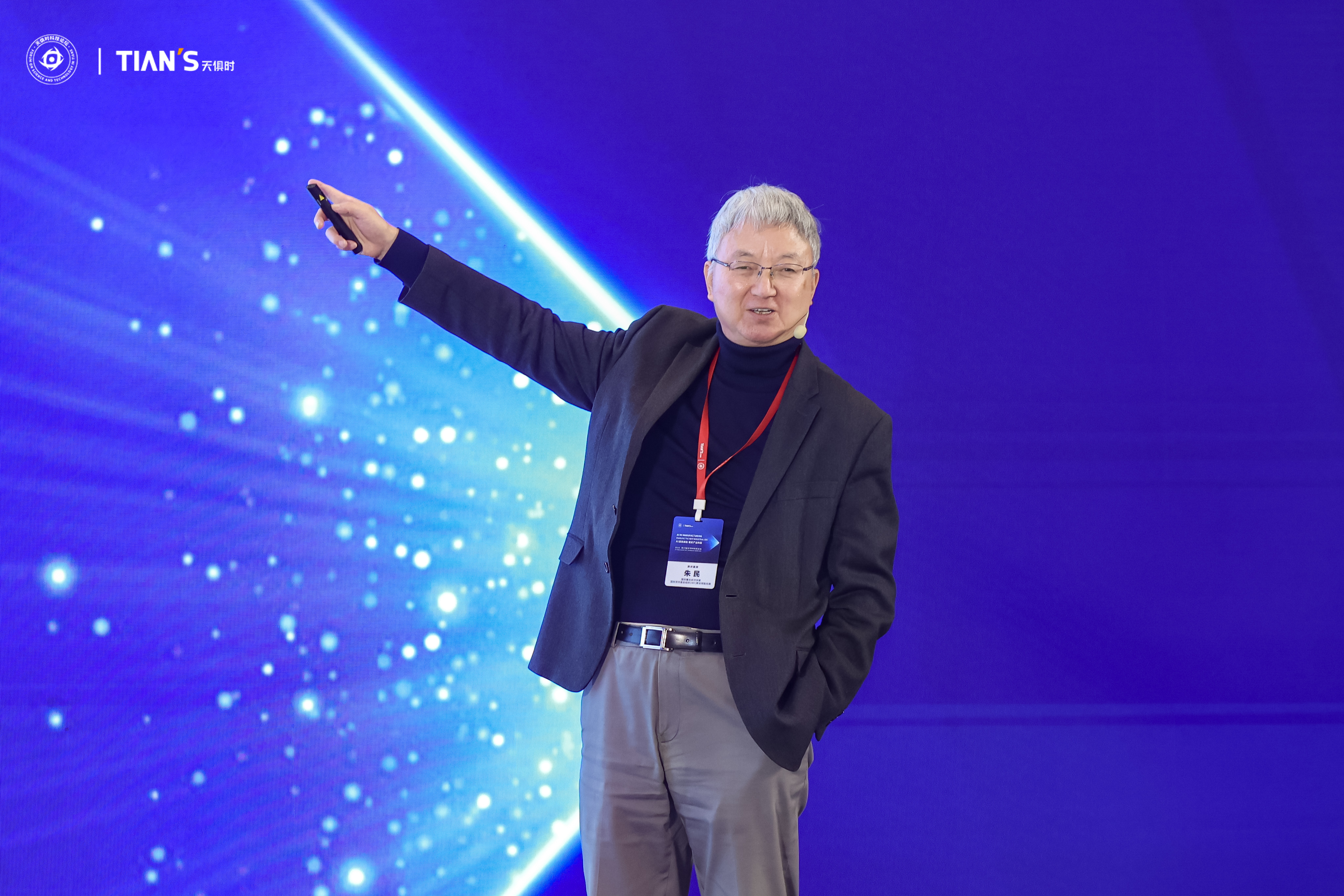
Photo | Professor Zhu Min delivering the keynote speech “The Changing Global Economic Landscape and China’s New Globalization”
From the gestation of scientific ideas to breakthroughs in engineering scale-up, from the deep integration of industry chains to the reconstruction of global value chains, the 19th TIANS SCIENCE AND TECHNOLOGY FORUM 2026 witnessed the vigorous vitality of the deep integration of frontier technology and high-end manufacturing. In the future, the TIANS SCIENCE AND TECHNOLOGY FORUM will continue to play its hub role as an international collaborative innovation platform, joining hands with global top wisdom and industrial forces to break down development barriers and jointly build a glorious chapter of high-quality industrial development and new quality productive forces.

 RETURN
